
Sheet Metal Fabrication
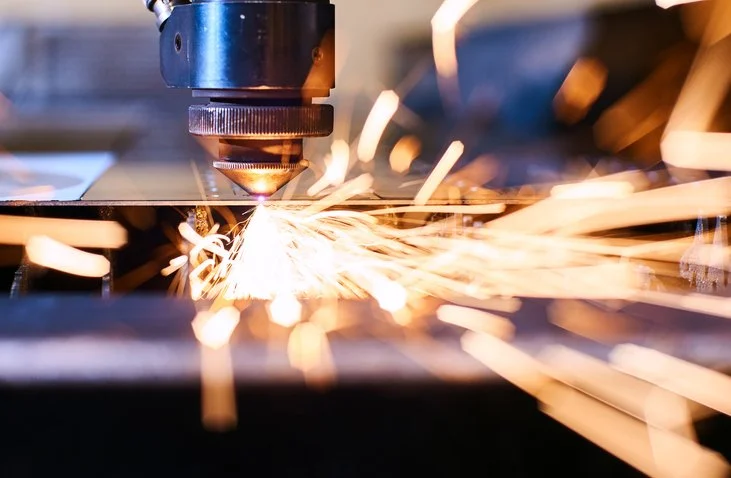
Sheet metal fabrication involves transforming flat metal sheets into practical components through cutting, bending, and shaping. It is a key aspect of industrial manufacturing that boosts efficiency and fosters innovation across industries such as automotive, electronics, energy, and construction.
The versatility of sheet metal fabrication is evident in its diverse applications, ranging from durable generator enclosures and control panels to fuel tanks and structural components. Sheet metal fabrication also produces modular shelving systems, which offer functional, scalable solutions that are essential for industry advancements.
The following are the technological benefits:
Cutting methods, including laser cutting, plasma cutting, and shearing, are employed to achieve the precise dimensions required for sheet materials, ensuring accuracy and consistency during the process.
Drilling and punching techniques are utilized to create various types of holes, which are specifically designed to allow for the integration of screws, facilitate wiring setups, or support assembly requirements, depending on the project's needs. Bending using equipment like press brakes enables flat sheets of material to be skillfully angled and manipulated, forming intricate three-dimensional shapes and structures with precision.
Welding processes are implemented to join individual components together, providing a secure and robust bond that enhances the overall durability and strength of the assembled product.
Surface treatment and painting methods, such as powder coating, wet painting, or the application of protective coatings, are applied to improve appearance, ensure durability, and offer resistance against wear, corrosion, and environmental damage.